Machining Guide
Flat End Mill vs Ball Nose vs Corner Radius: CNC Tool Geometry Guide
May 29, 20266 phút đọcBởi Solid Carbide Direct
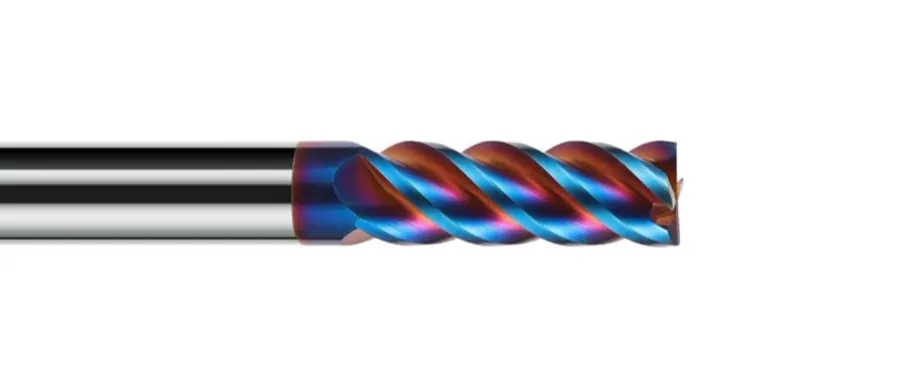
A practical CNC guide comparing flat end mills, ball nose end mills and corner radius end mills by application, finish, tool strength and RFQ details.
Flat end mills, ball nose end mills and corner radius end mills can all remove metal, but they solve different machining problems. Choosing the wrong geometry can create poor surface finish, weak corners, long cycle time or unnecessary tool changes.
| Tool geometry | Best for | Watch out for |
|---|---|---|
| Flat / square end mill | Slots, shoulders, flat floors and general profiling | Sharp corners chip more easily in hard materials |
| Ball nose end mill | 3D contours, mold cavities, curved surfaces and finishing passes | Not ideal for flat-bottom floors without extra finishing strategy |
| Corner radius end mill | Stronger edges, roughing/finishing balance and better tool life | Radius must match part corner and programming strategy |
If the part drawing controls internal corner radius or floor finish, specify that before ordering the end mill.
Choose the matching end mill family
RFQ details that prevent wrong geometry
- Part material and hardness.
- Operation: slotting, side milling, roughing, finishing, contouring or mold cavity machining.
- Required internal corner radius, floor finish and tolerance.
- Machine rigidity, holder type, coolant condition and current failure mode.
Send your part drawing or current tool code. We can recommend square, ball nose or corner radius carbide end mills for your machining operation.
Thẻ
flat end mill vs ball nosesquare end mill vs corner radiusball nose end mill applicationcorner radius end mill guideCNC end mill geometry