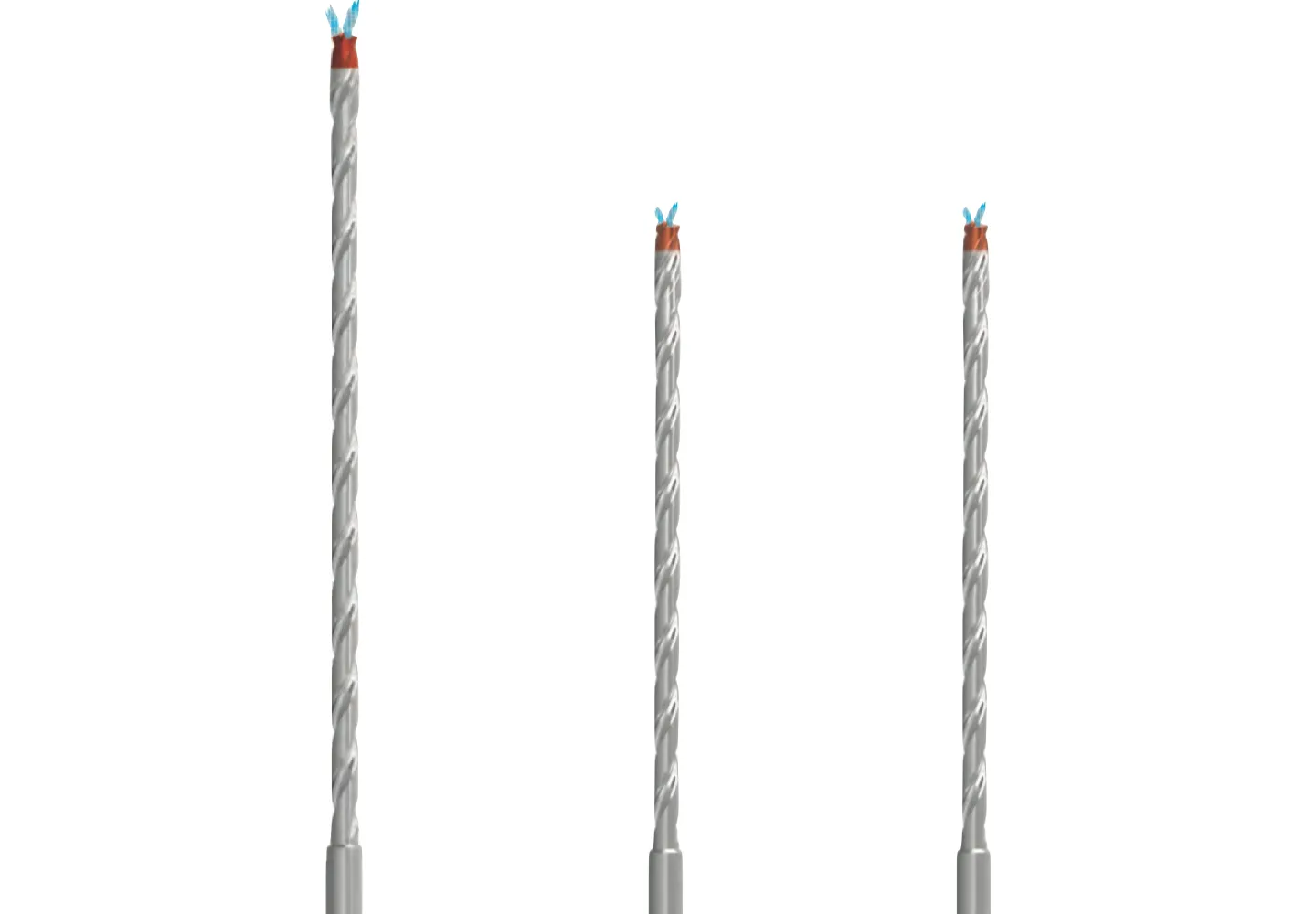
Compare supplier product routes and define coolant delivery, hole geometry, inspection and sample acceptance before ordering internal coolant carbide drills.
Sourcing coolant-thru drill manufacturers in China starts with the complete holemaking setup. The drill, holder, machine coolant supply, work material and entry condition must be considered together. A catalog depth ratio identifies a starting point, but it does not establish whether the tool will evacuate chips reliably in your particular hole. This guide compares five supplier routes and provides a practical checklist for a controlled sample order.
China coolant drill suppliers to compare
| Supplier | Product route | What to confirm |
|---|---|---|
| Solid Carbide Direct / KY Tools | Published internal coolant drill families from 3D to 25D | Actual usable depth, coolant holes, entry strategy and application review |
| AHNO | Solid carbide drilling catalog | Exact internal coolant series and recommended work materials |
| Yongpu Precision | Standard, high-performance and deep-hole drilling routes | Coolant-through construction and pilot requirements for the quoted code |
| GESAC | Solid carbide holemaking product range | Internal coolant availability, dimensions and starting data |
| ZCC-CT | Drilling catalog and solid carbide tools | Coolant-through tool code, depth and delivery route |
Official supplier product references
Check coolant delivery at the tool
Tell the supplier what coolant reaches the holder and drill, including the available pressure, flow information, filtration and coolant type. A pump rating alone does not describe the complete delivery system. Ask the supplier to review the proposed drill diameter and hole geometry against that supply. Do not accept a universal pressure recommendation without the tool and application conditions.
Separate depth, entry and exit conditions
| Hole condition | Information to send | Supplier review |
|---|---|---|
| Short blind or through hole | Usable depth, bottom requirement and material | Point geometry, chip space and breakthrough approach |
| Deep straight hole | Depth ratio, entry surface and available pilot tool | Pilot diameter and depth, entry sequence and coolant supply |
| Cross hole or interrupted cut | Cross-hole location and intersection geometry | Edge loading and chip evacuation through the interruption |
| Angled or uneven entry | Part drawing and fixture orientation | Whether an entry preparation or different tool is required |
| Stepped or special hole | Full profile and critical dimensions | Drawing-based design and an agreed inspection plan |
Flute length, overall length and permissible drilling depth are different dimensions. Confirm that the quoted tool reaches the actual feature without using unsupported flute length as a depth claim. For long drills, request the supplier’s entry and pilot instructions for the exact series; avoid transferring a cycle from another tool simply because both are labeled with the same depth ratio.
Specify inspection and traceability
Agree which tool dimensions and characteristics will be inspected, including diameter, point geometry, runout and coolant passage condition where relevant. Ask how the approved geometry and coating are identified on repeat orders. Inspection records should refer to the quoted tool and batch rather than showing an unrelated example report.
Run a repeatable holemaking trial
Use a representative part and record the material batch, holder, drill stick-out, coolant conditions, programmed cycle and pilot tool. Inspect hole diameter and finish at agreed intervals. Where the drawing requires position, straightness or other geometric characteristics, include the corresponding measurements. Count accepted holes rather than holes drilled before catastrophic failure.
Photograph chips and the cutting edge when the trial stops. If the drill fails early, send the supplier the entry conditions and failure depth as well as the broken tool image. A controlled second trial should document what changed. This makes it possible to distinguish a setup improvement from a tool revision.
When to request a KY Tools quote
Use the Solid Carbide Direct coolant-thru drill families to identify the approximate diameter and depth range. For stepped tools, unusual lengths or special points, send a drawing for review. Confirm coolant feasibility, inspection scope, sample quantity and delivery terms before comparing the quotation with a catalog alternative.
Related drilling and sourcing guides
Tags